
Support our Awareness & Advocacy
Your support enables us to raise awareness, advocate for improved healthcare access, and empower individuals and communities affected by lupus and related health conditions.
Donation Details Account Name: Beyond The Flare Health and Empowerment Foundation
Account Number: 0128081646
Bank: WEMA Bank
Together, we can amplify voices, drive impact, and create lasting change.
Account Number: 0128081646
Bank: WEMA Bank
Together, we can amplify voices, drive impact, and create lasting change.
Understanding Lupus
Lupus is more than a medical diagnosis it is a life long journey that affects millions of people around the world. At Beyond The Flare Health & Empowerment Foundation, we believe that awareness leads to understanding, early diagnosis, better care, and stronger communities.
Whether you have recently been diagnosed, or supporting a loved one, or simply want to learn more, this guide provides trusted information to help you better understand lupus and life beyond the diagnosis.
Whether you have recently been diagnosed, or supporting a loved one, or simply want to learn more, this guide provides trusted information to help you better understand lupus and life beyond the diagnosis.
What is Lupus?
Lupus is a chronic autoimmune disease in which the immune system, instead of protecting the body from infections, mistakenly attacks healthy tissues and organs. Because lupus can affect many different parts of the body including the skin, joints, kidneys, heart, lungs, brain, and blood it is often called the & great imitator & because its symptoms can resemble many other illnesses.
Although there is currently no cure for lupus, many people live healthy, fulfilling, and productive lives with proper medical care, healthy lifestyle choices, and strong support systems.
Although there is currently no cure for lupus, many people live healthy, fulfilling, and productive lives with proper medical care, healthy lifestyle choices, and strong support systems.
Type of Lupus
There are several forms of lupus, each affecting people differently.

Systemic Lupus Erythematosus (SLE)
The most common form of lupus, affecting multiple organs and body systems.

Cutaneous Lupus
Primarily affects the skin and may cause rashes or skin lesions, particularly after sun exposure.

Drug-Induced Lupus
A temporary form of lupus triggered by certain medications. Symptoms usually improve after the medication is stopped under medical supervision.

Neonatal Lupus
A rare condition affecting some babies born to mothers with specific autoimmune antibodies. Most cases are temporary, though medical monitoring is important.
Signs and Symptoms
Lupus symptoms vary from person to person and may come and go over time. Common symptoms include:

Persistent fatigue

Joint pain, swelling, or stiffness

Skin rashes, butterfly-shaped facial rash

Fever without infection

Hair loss

Mouth or nose ulcers

Sensitivity to sunlight

Chest pain when breathing deeply

Kidney problems

Headaches or difficulty concentrating (brain fog)

Swollen hands or feet

Changes In blood counts
Who Can Develop Lupus?
Anyone can develop lupus, including children and older adults. However, lupus is most commonly diagnosed in women between the ages of 15 and 45 years. Men can also develop lupus, and the disease may present differently.
Lupus affects people of every race and ethnicity, although it tends to occur more frequently and sometimes more severely in people of African, Asian, Hispanic, Indigenous, and other diverse backgrounds.
Lupus affects people of every race and ethnicity, although it tends to occur more frequently and sometimes more severely in people of African, Asian, Hispanic, Indigenous, and other diverse backgrounds.
What Causes Lupus?
The exact cause of lupus remains unknown. Researchers believe lupus develops through a combination of factors, including:

Genetics

Hormonal Influences

Environmental triggers

Certain infections

Some medications

Physical or emotional stress in susceptible individuals
How is Lupus Diagnosed?
Diagnosing lupus can take time because its symptoms often resemble those of other conditions. Healthcare providers usually consider:

Medical history

Physical examination

Blood tests
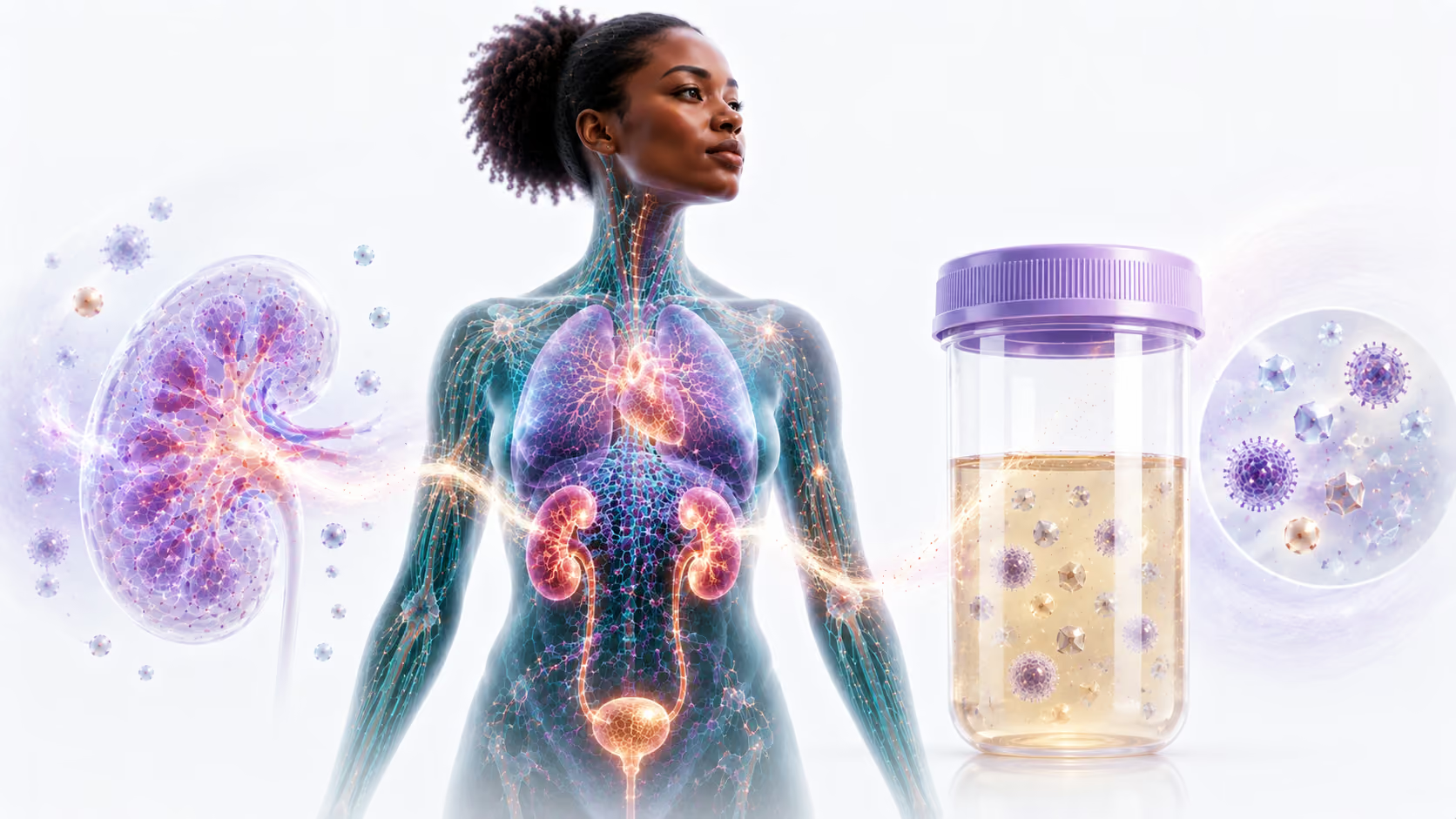
Urine tests

Imaging studies when necessary

Organ-specific assessments
Treatment and Management
Although there is no cure for lupus, treatment helps control symptoms, prevent flares, and protect organs. Treatment may include:

Prescription medications

Regular medical monitoring

Healthy nutrition

Physical activity suited to individual ability

Stress management

Adequate sleep

Sun protection

Vaccinations and preventive healthcare as advised by healthcare providers
Managing Flares
Lupus symptoms may worsen during periods known as flares. While triggers vary, common ones include stress, infections, excessive sun exposure, poor sleep, and missing prescribed medications. Recognising early warning signs and working closely with your healthcare team can help manage flare sand reduce their impact.
Myths and Facts About Lupus
Myth: Lupus is contagious.
Fact: Lupus cannot be spread from one person to another.
Myth: People with lupus always look sick.
Fact: Many symptoms of lupus are invisible, and someone may appear healthy while managing significant health challenges.
Myth: People with lupus cannot live productive lives.
Fact: With appropriate care and support, many people with lupus live active, meaningful, and fulfillinglives.
Support and Self-Care
A lupus diagnosis does not define who you are or limit your potential. Many people with lupus build successful careers, raise families, pursue education, travel, and achieve their dreams. Living well with lupus often means learning to listen to your body, recognising your limits, celebratingyour strengths, asking for support when needed, and prioritising your overall well-being.
Living with lupus is about caring for your whole person not just managing symptoms. Helpful self-care practices include:
Living with lupus is about caring for your whole person not just managing symptoms. Helpful self-care practices include:

Taking medications as prescribed

Attending regular medical appointments

Eating a balanced diet

Staying physically active within your limits

Getting enough rest

Protecting yourself from excessive sunlight

Managing stress

Building a supportive community

Asking for help when needed
Questions?
We’ve got clear answers
Is lupus contagious?
No.
Can lupus be cured?
There is currently no cure, but effective treatments help many people manage the condition successfully..
Can people with lupus work?
Yes. Many people continue working, studying, and pursuing their goals while managing lupus.
Is lupus hereditary?
Genetics may increase risk, but having a family member with lupus does not mean someone will definitely develop it.
Can men have lupus?
Yes. Although lupus is more common in women, men and children can also develop the disease.
Additional Resources
Knowledge empowers better decisions. Explore trusted educational materials, connect with healthcare professionals, and seek support from reputable lupus organisations and patient communities.
Beyond The Flare Health & Empowerment Foundation is committed to providing accurate information,practical resources, and compassionate support for everyone affected by lupus and other autoimmune conditions.
Beyond The Flare Health & Empowerment Foundation is committed to providing accurate information,practical resources, and compassionate support for everyone affected by lupus and other autoimmune conditions.
SUBSCRIBE TO OUR NEWSLETTER
Ready to elevate your online presence? Contact us today to discuss your project and discover how we can bring your vision to life.
Oops! Something went wrong while submitting the form.
QUICK LINK
HomeCUSTOMER SUPPORT
Need help? Our support team is here to assist you with any questions or issues
.avif)

.avif)
.avif)

.avif)